





Best Time to Visit Cyprus in 2027: A Month-by-Month Villa Holiday Guide
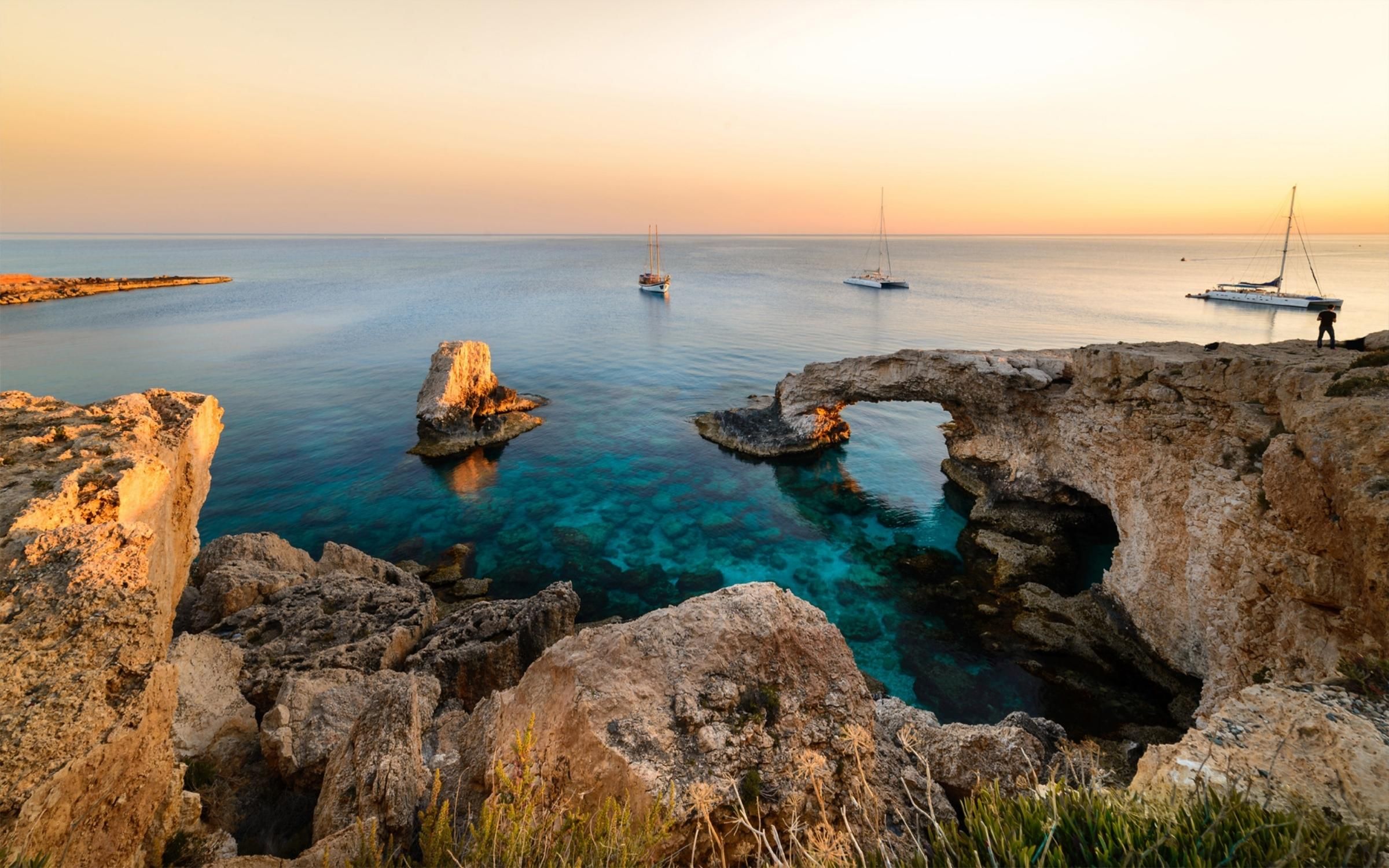
Best Time to Visit Cyprus in 2027: A Month-by-Month Villa Holiday Guide
The best time to visit Cyprus depends on the type of holiday you want. June to September suits beach-focused trips, May and October offer warm weather with fewer peak-season crowds, while March, April, November and winter are better for walking and exploring. July and August are the busiest months, so villa travellers should book earlier for the widest choice.
Introduction
There is no single best month to visit Cyprus. It all depends on your preferences. However, there is a best month for the holiday you specifically want.
July makes sense if the brief is long beach days and warm evenings. January suits travellers who want quiet coast roads and a completely different rhythm. May works for people who want to swim but still spend part of the day exploring. September gives you warm sea temperatures after the summer peak begins to ease.
The useful question for 2027 is not simply when Cyprus is hottest. It is which part of the year fits the way you want to spend the trip.
Cyprus Through the Year
Cyprus has a long, dry summer season and a relatively mild winter, with short spring and autumn periods between them. On paper, that makes the calendar look simple. In practice, the seasons overlap more than visitors sometimes expect.
October can still feel like summer to somebody arriving from northern Europe. November may produce clear afternoons suited to lunch outside. March can be excellent for coastal walking, while January can put snow in Troodos at the same time as the coast sits under blue skies.
That range is one of the island’s strengths. You do not have to choose between visiting Cyprus and avoiding peak summer. You simply need to choose a different version of Cyprus.
January and February
January is one of the quietest times to visit the coastal resorts. Protaras slows down considerably, Ayia Napa becomes much quieter and the beaches lose almost all of their summer crowds.
This is a good period for road trips, coastal walks, archaeological sites and long lunches. It is not the time to book a villa because you want to spend every day beside the pool.
The property therefore needs a different checklist. Heating, comfortable living space, a useful kitchen and sun-facing terraces matter more than they do during summer. A hot tub or heated pool can also make more sense than a large unheated swimming pool.
February remains winter, but signs of spring begin appearing. The weather can change quickly, with cool days followed by clear afternoons that feel much warmer in the sun. For couples and travellers who prefer exploring to resort life, it can be a very pleasant time to visit.
March and April
March is when walking conditions become particularly attractive. The countryside is greener than it will be later in the year, the coast remains fairly quiet and the days begin to feel noticeably longer.
This is a strong period for Cape Greco, village routes, archaeological sites and day trips inland. Swimming is still more optional than essential, but outdoor sightseeing becomes very comfortable.
April moves further towards the warmer season. Resort areas begin returning to life, outdoor dining becomes more dependable and beach afternoons start making their way back into the itinerary.
Easter is the main period to watch. Demand can rise around holiday dates, so families travelling during school breaks should not assume all of April behaves like a quiet shoulder-season month.
May and June
May has a strong case for being the best all-round month in Cyprus. Days are warm, beaches are back at the centre of the trip, seasonal restaurants and activities are operating, and the heat has not yet reached the level where it starts controlling the timetable.
That means you can walk around Cape Greco in the morning, have lunch outside and still spend the afternoon beside the pool without needing to choose between sightseeing and a beach holiday.
June takes the same formula and turns the temperature up. It feels properly like summer, with warmer evenings and more dependable pool and beach conditions.
Early June is especially useful for couples, younger families and groups that can travel before the school-holiday peak. Late June gets busier quickly, so it should not automatically be treated as an off-peak month.
July and August
July and August deliver the version of Cyprus most people picture first. The days are hot, the sea is warm, beaches are busy, resort areas are fully operational and evenings are made for eating outside.
They are also the months where the villa itself has to work hardest.
A short walk to the beach matters more when the temperature is high. Shade beside the pool matters. Air conditioning matters. Having enough outdoor space for the whole group matters.
August is the peak of that experience. Families tied to school holidays and groups looking for the busiest version of Ayia Napa or Protaras may see that as an advantage rather than a drawback.
The trade-off is demand. If your dates are fixed and you want a large property, strong sea view, private pool and specific location, this is not the period to rely on a last-minute search.
September and October
September may be the smartest month on the calendar for adults without school-holiday restrictions. The sea has had the whole summer to warm up, the weather remains strongly beach-focused and resort businesses are still operating at full seasonal pace.
At the same time, the sharpest family peak begins to ease. The result is much of the July and August experience with a slightly calmer atmosphere.
October is the next step down. Days can still be very warm, swimming remains part of the plan and the main resort areas continue operating, particularly earlier in the month.
For villa travellers, pool orientation starts to matter more. A terrace that gets sun well into the evening in August may fall into shade earlier in October. If pool time is central to the holiday, ask about sun exposure and heating before you book.
November and December
November is overlooked by many visitors. It is quieter, increasingly changeable and far less resort-focused, but clear days can still be ideal for exploring the coast or eating outside.
This is when cities such as Limassol and Larnaca become particularly attractive because their restaurants and everyday life continue year-round. Ayia Napa and Protaras suit travellers who are comfortable with a much quieter atmosphere.
December continues that winter pattern. It is better suited to walking, road trips, villages and sightseeing than to a conventional beach holiday.
The benefit is space. Beaches, roads and many of the island’s best-known outdoor sites become much easier to enjoy without peak-season crowds.
Best Time for Families, Couples and Exploring
Families with preschool children and flexible travel dates should look closely at May, June and September. All three offer strong beach conditions without necessarily forcing you into the busiest part of the school-holiday calendar.
Families travelling in July and August should focus more on the villa itself. Shade, air conditioning, bedroom layout, pool access and genuine walking distance to the beach become more important as the heat and crowds increase.
For couples, May, September and October are difficult to beat. They offer enough seasonal activity to feel lively without placing you in the middle of the biggest family travel period.
For walking and exploring, March, April, November and the winter months are often more comfortable. Cape Greco may look beautiful in August, but it is considerably easier to walk in March.
When to Book a 2027 Villa
The amount of planning you need depends on when you are travelling and how specific the brief is. For July and August, six to twelve months ahead gives you a much healthier choice of larger villas and high-demand coastal properties.
May, June and September can generally be booked with a little more flexibility, although desirable villas close to the beach still go earlier than average.
October and winter are more forgiving unless you are looking for something unusual, such as a large group property with a heated pool or a very specific location.
The simplest approach is to decide what cannot move. Keep two or three things fixed, such as dates, guest count and area, then allow some flexibility around the rest. The more parts of the brief you lock down, the earlier it makes sense to start looking.
Common Questions About Visiting Cyprus in 2027
What is the hottest time to visit Cyprus?
July and August are generally the hottest part of the year and offer the most consistent conditions for a traditional beach holiday.
What is the best month for a beach holiday?
June through September is the strongest period for beach-focused travel. May and October can also work very well for visitors who prefer slightly quieter conditions.
When is Cyprus quietest?
January and February are among the quietest months in resort areas. November and December are also considerably calmer than peak summer.
Is October too late to visit Cyprus?
No. October can still offer warm days and good beach conditions, particularly earlier in the month. Evenings become cooler as autumn progresses.
When should you book Cyprus for 2027?
For a peak July or August villa, start around six to twelve months ahead if you want a strong choice. Flexible shoulder-season and winter trips can usually be planned closer to arrival.
Planning Your 2027 Cyprus Stay
Start with the month, then choose the region, then choose the villa. That order usually produces a better holiday than starting with a property and trying to make the location fit afterwards.
Ayia Napa and Protaras make sense for east-coast beach holidays and easy access to Cape Greco. Pernera offers a quieter version of the same coastline, while Limassol gives you a year-round city base with restaurants and an urban seafront.
Tell the Luxel Villas team when you want to travel, who is coming and what matters most once you arrive. We can help match the season to the area and the area to a villa that works properly for the trip.