





How Long-Term Rent Works in Cyprus: A Practical Guide for Newcomers
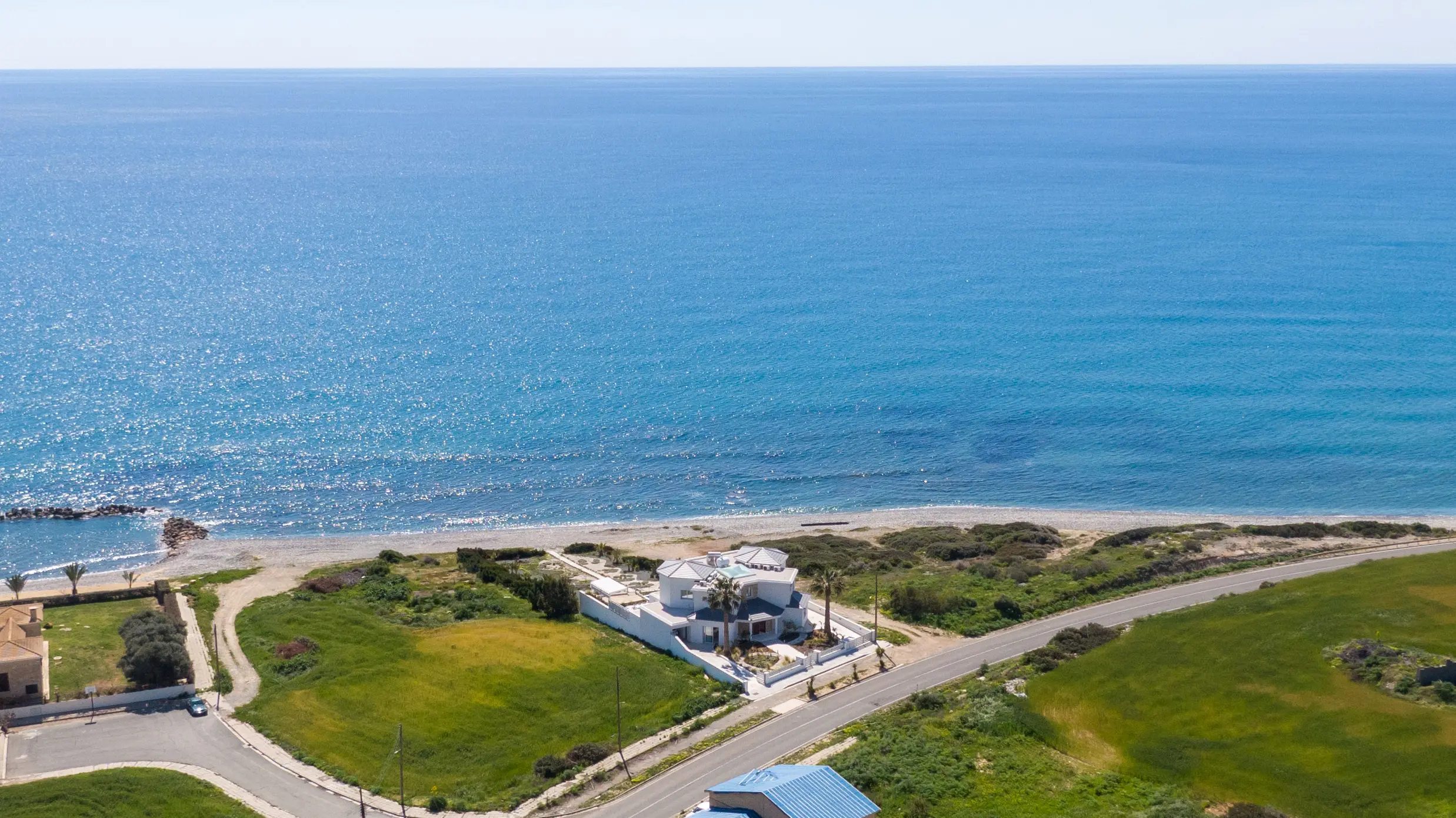
Long-term renting in Cyprus runs mostly on private contracts between landlord and tenant, not through a central registry. You'll usually need one month's rent as a deposit, plus one month upfront. Most new builds sit outside the country's old rent-control regime. Stamp duty on tenancy agreements was abolished on 1 January 2026, so ignore anyone still trying to charge it.
What's in this post
How long-term rent in Cyprus actually works
The two legal tracks: rent control or contractual tenancy
Deposits, agency fees, and what to expect at signing
Where newcomers usually look first
Monthly budget: what to plan for beyond the rent
Documents, timing, and a sensible search order
Common questions about long term rent Cyprus
How Luxel Villas helps newcomers
How long-term rent in Cyprus actually works
Long-term rent in Cyprus is, by international standards, fairly informal. Most landlords are private individuals. There's no national rental registry, no central deposit-protection scheme of the kind the UK runs through TDS, and no automatic utility-transfer system. You sign a lease with the owner or their managing agent, you pay rent monthly to a bank account, and you put the utilities into your own name.
For someone arriving from a more regulated market, this can look loose. In practice, it works. The legal protections are real, they're just spread across two regimes that don't always overlap, so you'll want to know which one applies before you sign anything.
The market splits into two camps. There are private listings, often posted on classifieds sites or owner-run portals. And there are agency-managed listings, where a brokerage or villa-rental company handles viewings, contracts, and ongoing tenant support. If you're new to the island and don't speak Greek, an agency-managed lease almost always saves you weeks.
The two legal tracks: rent control or contractual tenancy
The first question to ask about any property is its build year. Properties completed before 31 December 1999, inside Cyprus's designated controlled-area town centres, can fall under the Rent Control Law, Cap. 23. Anything newer sits under standard contract law as a contractual tenancy. For most newcomers searching in modern coastal builds, that means contractual.
Contractual tenancies are negotiated freely. Duration, rent reviews and deposit handling all sit inside the written agreement, and whatever you sign is what binds you.
Rent-controlled tenancies are different. They cap rent increases by ministerial decision and give long-standing tenants real protection from eviction. According to the Global Property Guide's Cyprus landlord and tenant overview, the Rent Control Law generally doesn't extend its full statutory-tenant protection to non-EU foreigners. So if you're a non-EU national renting an older flat in a controlled town, don't assume the law covers you the same way it would a Cypriot tenant.
What this means practically: read your lease, and ask the agent to spell out which regime applies. Don't take "standard agreement" as an answer.
Deposits, agency fees, and what to expect at signing
Expect to hand over two months' rent at signing. One is your security deposit. One is your first month's rent. Some landlords ask for two months as the deposit, particularly on furnished villas or premium properties. Ask early and get the figure confirmed in writing.
Agency fees are common but not universal. In some setups the landlord pays the agency, in others the tenant pays, and occasionally both share. VAT may apply on top, depending on how the agency is registered. Clarify all of this before you commit, not at the signing table.
One important 2026 update: stamp duty on rental agreements was abolished on 1 January 2026. Several Cyprus law firms, including Polycarpos Philippou & Associates, have confirmed that new leases no longer need to be stamped. If an agent asks you for an "official stamp fee" on a fresh agreement, that's no longer a real cost.
You'll also typically need:
Passport or national ID.
Proof of a previous address (sometimes requested).
A bank reference or proof of funds for premium properties.
An employer letter or pension confirmation for longer leases.
For any lease longer than 12 months, Section 77(1) of the Cyprus Contract Law (Cap. 149) requires two witnesses to sign alongside both parties for the agreement to be fully valid. Your agent or a local lawyer will handle this, but it's worth knowing the requirement exists.
Read every clause about deposit return before you sign.
Where newcomers usually look first
Most newcomers shortlist three or four areas before flying in for viewings. The choice tends to come down to lifestyle, not just budget.
Limassol pulls in professionals and families who want a coastal city with cafés, marinas and international schools. Rents here are the highest on the island. Within Limassol, expats often start their search in Germasogeia or Agios Tychonas, where the international communities are well established.
Paphos draws retirees and remote workers who want a slower pace with easy sea access. Long-term inventory is wider and prices are generally softer than in Limassol.
Larnaca has grown quickly on the back of its airport, lower prices, and a quieter feel. It's increasingly popular with families relocating from northern Europe.
The Famagusta district (Protaras, Pernera and Paralimni) suits people who want a coastal-village rhythm year-round. Winters are very quiet, summers are busy, and public transport is limited, so a car is close to obligatory.
If you're set on a detached home with a garden, our piece on long-term villa rentals in Cyprus goes deeper on what villa-style leases involve.
Monthly budget: what to plan for beyond the rent
Rent itself is only one line in your monthly plan. Air conditioning runs hard from June through September across most of the island, and electricity bills can double or triple in those months compared with winter. Villas with pools or gardens add maintenance costs that flats don't have.
Here's a practical breakdown of what newcomers typically face at signing and in the first month:
Cost | Typical amount | Who pays | Notes |
|---|---|---|---|
Security deposit | 1 month's rent (sometimes 2) | Tenant | Refundable, subject to property condition |
First month's rent | 1 month's rent | Tenant | Paid upfront at signing |
Agency fee | 0 to 1 month's rent + VAT | Varies by agreement | Confirm in writing before viewing |
Electricity (EAC) deposit | Around €120 to €300 | Tenant | Transferred to your name after move-in |
Water authority deposit | Roughly €50 to €150 | Tenant | Varies by municipality |
Internet installation | €30 to €80 plus router | Tenant | Often promo-waived on 24-month contracts |
Stamp duty on the lease | €0 from 1 January 2026 | N/A | Abolished, no longer payable |
The figures above are typical ranges seen across the market in 2026, not fixed prices. They give you a planning floor. For a fuller breakdown that covers recurring monthly costs in detail, see our guide on Cyprus long-term rentals: hidden budgets and costs.
A rough rule we share with newcomers: add 15 to 20 percent to the advertised rent to estimate your true all-in monthly cost in the first year. That covers utilities, communal charges, and the small purchases every move involves.
Documents, timing, and a sensible search order
The Cyprus rental market moves quickly on good properties, especially between April and September. Quality inventory is genuinely thin, particularly in Limassol's coastal strip. If you find a place you like and the contract is reasonable, decide within 48 hours or expect to lose it.
A sensible search order looks like this:
Shortlist three to five neighbourhoods before flying in.
Book viewings into a single trip of four to seven days.
Have your deposit funds ready as a transfer, not cash.
Ask for the contract draft 24 hours before signing.
Get a friend or lawyer to read it if it's in Greek.
Never pay a deposit before a physical viewing. Replicated listings that mirror real adverts at lower prices are a known issue on the island, and any owner who claims they can't show you the property because they're abroad is almost always a fraudster.
How Luxel Villas differs in our approach
At Luxel Villas, we manage a curated portfolio of long-term rentals across Limassol, Larnaca, Protaras, Ayia Napa, and Paralimni. Each property is verified, photographed, and listed with transparent monthly rents and included services. Our agents handle viewings in person and remotely, prepare bilingual contracts, and stay involved through move-in.
If you're starting your search, browse all long-term rental properties or read our property for long-term rent in Cyprus summary guide for a faster overview of what's currently available.
Common questions about long term rent Cyprus
How long is a typical lease in Cyprus?
Most contractual leases run for 12 months, with rolling renewal by mutual agreement. Two-year terms are common in the premium segment, often with a fixed rent for year one and a small step-up in year two.
Is a written lease required?
Yes, in practice. Verbal agreements technically exist but offer almost no protection in a dispute. For any lease longer than 12 months, Cyprus Contract Law requires two witnesses to sign alongside the parties for the contract to be fully valid.
Can the landlord raise the rent during the lease?
Only if the lease explicitly allows it. Fixed terms mean fixed rent. At renewal, the landlord can propose an increase. For rent-controlled properties only, the Council of Ministers caps the increase by decree, currently at low single digits every two years.
Do I need a Cyprus bank account to rent?
Not always, but it makes life simpler. Many landlords prefer SEPA transfers from a local bank, and the Electricity Authority of Cyprus (EAC) will ask for a Cyprus account when you transfer the meter into your name.
Are pets allowed in long-term rentals?
It depends on the landlord and, in flats, on the building's house rules. Villas are usually more flexible. Always confirm in writing before signing, and expect a slightly higher deposit if a pet is approved.
What happens if I need to leave early?
Most leases include an early-termination clause requiring 30 to 60 days' notice and forfeiture of part or all of the deposit. Some leases don't allow early exit in the first six months at all. Read this clause carefully.
How Luxel Villas helps newcomers
Long-term rent in Cyprus rewards people who read carefully before they sign. The contract is where everything lives, and a single clause can quietly cost you for a year.
At Luxel Villas we focus on the premium segment of Cyprus's long-term market, with a curated portfolio that runs from Limassol and Paphos in the south up to Larnaca and the Famagusta resort coast. We verify each listing and walk newcomers through what their lease actually says. Once you're in, our concierge handles the practical side, from maid service and car hire to in-home spa treatments and tailored experiences for special occasions.
If you're starting your search, get in touch for a shortlist tailored to your needs and timeline. We'd rather match you with two properties that fit than ten that don't.